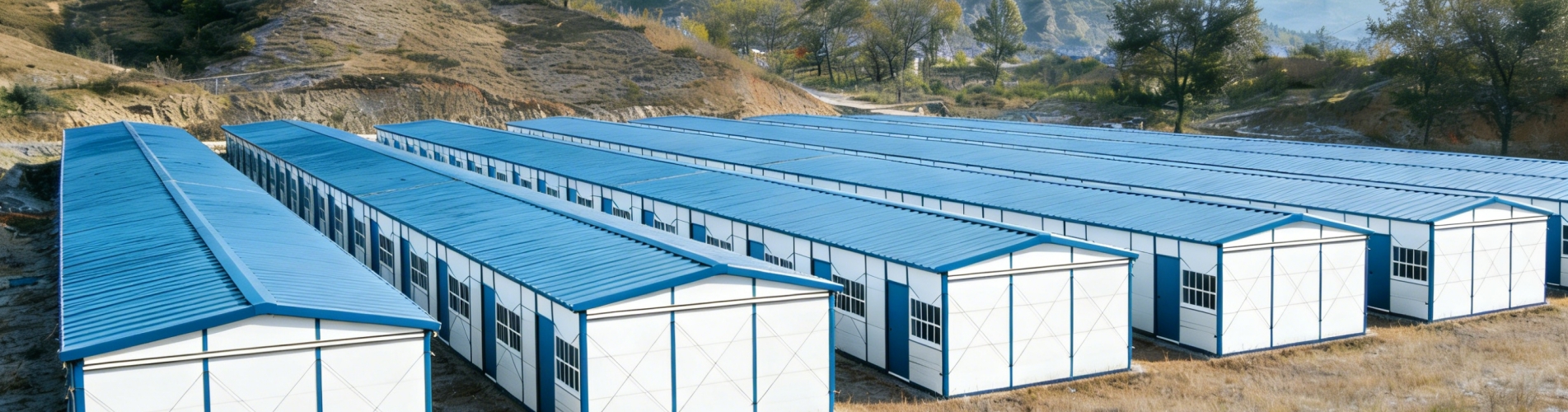
ในการใช้งานส่วนใหญ่ โครงสร้างเหล็กคุณภาพสูง อาคารโครงเหล็กมีอายุการใช้งานที่ยาวนานและคาดการณ์ได้ดีกว่าอาคารไม้ โดยเฉพาะอย่างยิ่งเมื่อโครงสร้างเหล็กได้รับการออกแบบอย่างเหมาะสม ป้องกันการกัดกร่อน และบำรุงรักษาอย่างสม่ำเสมอ อาคารโครงเหล็กที่ได้รับการบำรุงรักษาอย่างดีโดยทั่วไปสามารถใช้งานได้ 50-100 ปีหรือมากกว่านั้น แม้ว่าอายุการใช้งานจริงจะขึ้นอยู่กับการออกแบบ วัสดุ สภาพแวดล้อม และการบำรุงรักษา
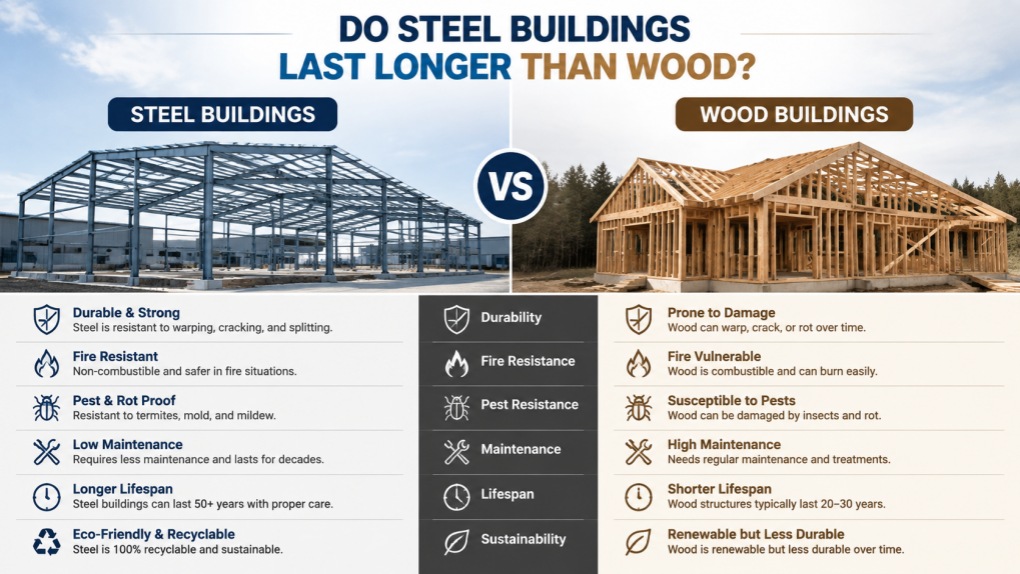
เหล็กกับไม้: วัสดุไหนทนทานกว่ากัน?
ไม้เป็นวัสดุก่อสร้างที่ทนทานได้หากได้รับการบำบัดและปกป้องอย่างเหมาะสม อย่างไรก็ตาม ไม้ก็มีความอ่อนแอต่อความชื้น ปลวก เชื้อรา การผุพัง และการบิดงอตามธรรมชาติ ปัญหาเหล่านี้สามารถส่งผลกระทบต่อประสิทธิภาพโครงสร้างของอาคารได้ทีละน้อย
เหล็กไม่ผุพังหรือเป็นแหล่งอาหารของปลวกและแมลงทำลายไม้ชนิดอื่นๆ นอกจากนี้ยังมีความคงตัวทางด้านขนาด หมายความว่ามีโอกาสน้อยที่จะบิดเบี้ยว โก่งงอ หรือหดตัวเนื่องจากการเปลี่ยนแปลงของความชื้น
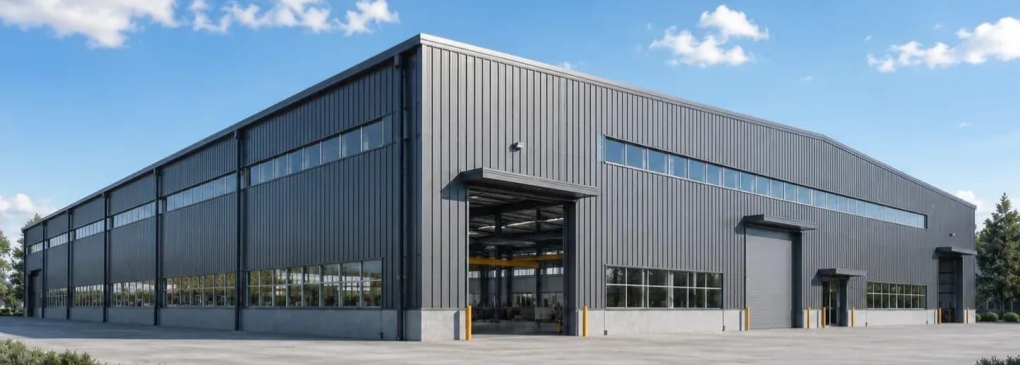
ด้วยเหตุนี้ เหล็กจึงเป็นวัสดุที่น่าสนใจเป็นพิเศษสำหรับคลังสินค้า โรงงาน โรงเรือน อาคารทางการเกษตร สถานประกอบการเชิงพาณิชย์ และโครงสร้างอื่นๆ ที่ต้องการความทนทานในระยะยาว
1. เหล็กทนทานต่อการผุพังและการทำลายของปลวก
ข้อดีที่สำคัญที่สุดอย่างหนึ่งของเหล็กคือมันเป็นวัสดุอนินทรีย์ ต่างจากไม้ เหล็กไม่สามารถเน่าเปื่อยและไม่เป็นแหล่งอาหารของปลวก
โครงสร้างไม้ที่สัมผัสกับความชื้นอย่างต่อเนื่องอาจเกิดการผุพัง ในขณะที่การระบาดของปลวกอาจก่อให้เกิดความเสียหายร้ายแรงต่อโครงสร้างหากไม่พบตั้งแต่เนิ่นๆ เหล็กช่วยลดความเสี่ยงเหล่านี้ ลดความจำเป็นในการกำจัดปลวกและการซ่อมแซม
สำหรับอาคารในพื้นที่ชื้น เขตร้อน หรือพื้นที่ที่มีแมลงรบกวนบ่อย นี่อาจเป็นข้อได้เปรียบที่สำคัญในระยะยาว
2. ทนทานต่อไฟได้ดีกว่า
เหล็กเป็นวัสดุที่ไม่ติดไฟ ในขณะที่ไม้ติดไฟได้ ดังนั้นเหล็กจึงเป็นตัวเลือกที่น่าสนใจเมื่อความทนทานต่อไฟเป็นสิ่งสำคัญที่ต้องพิจารณา
อย่างไรก็ตาม สิ่งสำคัญคือต้องเข้าใจว่า อาคารโครงสร้างเหล็กที่คุ้มค่า ไม่ได้หมายความว่าอาคารจะกันไฟได้โดยอัตโนมัติ ระบบอาคารโดยรวมทั้งหมด—รวมถึงฉนวนกันความร้อน แผ่นผนัง หลังคา วัสดุตกแต่งภายใน และระบบป้องกันไฟ—เป็นตัวกำหนดประสิทธิภาพการกันไฟขั้นสุดท้าย และต้องเป็นไปตามข้อกำหนดของกฎหมายอาคารท้องถิ่น
3. บำรุงรักษาน้อยลงในระยะยาว
โดยทั่วไปแล้วเหล็กต้องการการบำรุงรักษาน้อยกว่าสำหรับปัญหาต่างๆ เช่น การผุพัง ปลวก และการบิดงอ อย่างไรก็ตาม ควรมีการตรวจสอบเป็นประจำเพื่อตรวจสอบหลังคา ตัวยึด ข้อต่อ สารเคลือบป้องกัน ระบบระบายน้ำ และส่วนประกอบอื่นๆ
ปัญหาหลักสำหรับเหล็กคือการกัดกร่อน หากเหล็กสัมผัสกับความชื้น อากาศที่มีเกลือ หรือสภาพแวดล้อมทางอุตสาหกรรมที่รุนแรงอย่างต่อเนื่องโดยไม่มีการป้องกันที่เพียงพอ สนิมจะลดอายุการใช้งานของเหล็กได้
ด้วยเหตุนี้ การเตรียมพื้นผิวที่เหมาะสม การชุบสังกะสี การเคลือบคุณภาพสูง การระบายน้ำที่ดี และการออกแบบที่เหมาะสม จึงมีความสำคัญอย่างยิ่งต่อประสิทธิภาพการใช้งานในระยะยาว
4. ความมั่นคงของโครงสร้างที่มากขึ้น
เหล็กมีอัตราส่วนความแข็งแรงต่อน้ำหนักสูงและคงรูปทรงได้ดี อีกทั้งยังไม่ค่อยเปลี่ยนแปลงขนาดเหมือนกับไม้เมื่อระดับความชื้นเปลี่ยนแปลง
สำหรับอาคารขนาดใหญ่ เหล็กยังช่วยให้สร้างพื้นที่ช่วงกว้างได้ง่ายขึ้นโดยมีเสาภายในน้อยลง ซึ่งเป็นประโยชน์อย่างยิ่งสำหรับคลังสินค้า โรงงาน โรงซ่อม และอาคารพาณิชย์ที่พื้นที่โล่งกว้างมีความสำคัญ
| คุณสมบัติ | อาคารเหล็ก | อาคารไม้ |
| ความทนทานในระยะยาวโดยทั่วไป | ยอดเยี่ยม | ใช้งานได้ดีหากได้รับการดูแลรักษาอย่างเหมาะสม |
| ความต้านทานต่อการเน่าเปื่อย | ยอดเยี่ยม | เปราะบาง |
| ความต้านทานต่อปลวก | ยอดเยี่ยม | เปราะบาง |
| ความต้านทานต่อเชื้อรา | สูง | อาจได้รับผลกระทบจากความชื้น |
| การแสดงไฟ | ไม่ติดไฟ | ติดไฟได้ |
| การบิดเบี้ยว/การหดตัว | น้อยที่สุด | เป็นไปได้ |
| ปัญหาหลักในการบำรุงรักษา | การกัดกร่อน | ความชื้น การเน่าเปื่อย และศัตรูพืช |
| ความสามารถในการรองรับช่วงกว้างขนาดใหญ่ | ยอดเยี่ยม | มีข้อจำกัดมากขึ้น |
| การบำรุงรักษาในระยะยาว | โดยทั่วไปจะต่ำกว่า | โดยทั่วไปจะสูงกว่า |
อาคารเหล็กมีอายุการใช้งานนานแค่ไหน?
ไม่มีอายุการใช้งานตายตัวสำหรับอาคารเหล็กทุกหลัง โครงสร้างเหล็กที่ได้รับการออกแบบและบำรุงรักษาอย่างเหมาะสมโดยทั่วไปสามารถใช้งานได้นาน 50-100 ปีหรือมากกว่านั้น ในขณะที่สภาพแวดล้อมและวิธีการบำรุงรักษาสามารถส่งผลกระทบอย่างมากต่ออายุการใช้งานจริง
ตัวอย่างเช่น โรงงานโครงสร้างเหล็กสำเร็จรูปที่ออกแบบเฉพาะ ซึ่งตั้งอยู่ในสภาพแวดล้อมแห้งแล้งภายในประเทศ อาจมีความเสี่ยงต่อการกัดกร่อนน้อยกว่าโรงงานที่สัมผัสกับอากาศเค็มจากชายฝั่ง ในทำนองเดียวกัน อาคารที่มีการป้องกันการกัดกร่อนคุณภาพสูงและการตรวจสอบอย่างสม่ำเสมอ โดยทั่วไปจะมีประสิทธิภาพดีกว่าอาคารที่ได้รับการบำรุงรักษาไม่ดี
อาคารไม้จะมีอายุการใช้งานยาวนานเท่ากับอาคารเหล็กได้หรือไม่?
ใช่แล้ว อาคารไม้ที่ได้รับการออกแบบมาอย่างดีและดูแลรักษาอย่างระมัดระวังสามารถอยู่ได้นานหลายสิบปี และโครงสร้างไม้เก่าแก่ก็แสดงให้เห็นว่าไม้มีอายุการใช้งานที่ยาวนานมาก
ความแตกต่างก็คือ โดยทั่วไปแล้วไม้จะไวต่อความชื้น แมลง เชื้อรา และไฟมากกว่า การดูแลรักษาโครงสร้างไม้ให้อยู่ในสภาพดีเยี่ยมมักต้องใส่ใจกับความเสี่ยงเหล่านี้มากกว่า ในขณะที่เหล็กหลีกเลี่ยงกลไกการเสื่อมสภาพทางชีวภาพหลายอย่าง ทำให้ประสิทธิภาพในระยะยาวของเหล็กสามารถคาดการณ์ได้มากกว่าในหลายๆ การใช้งาน
เหตุใดจึงควรเลือกใช้เหล็กสำหรับอาคารหลังต่อไปของคุณ?
หากคุณให้ความสำคัญกับอายุการใช้งานที่ยาวนาน ความมั่นคงของโครงสร้าง การบำรุงรักษาต่ำ และความทนทานต่อปลวกและการผุพัง เหล็กมักเป็นตัวเลือกที่ดีกว่า
ที่ โทพินดัสเราให้บริการโซลูชั่นโครงสร้างเหล็กแบบกำหนดเองสำหรับคลังสินค้า โรงงาน โรงเรือน อาคารพาณิชย์ และการใช้งานอื่นๆ โครงสร้างเหล็กของเราสามารถออกแบบได้ตามความต้องการของโครงการ รวมถึงขนาดอาคาร รูปแบบ การรับน้ำหนัก ฉนวนกันความร้อน แผ่นผนัง ระบบหลังคา และการป้องกันพื้นผิว
การเลือกเกรดเหล็กที่เหมาะสม สารเคลือบป้องกัน การออกแบบโครงสร้าง และวิธีการก่อสร้างนั้นมีความสำคัญไม่แพ้การเลือกเหล็กเอง ด้วยวิศวกรรมและการบำรุงรักษาที่ถูกต้อง โครงสร้างที่แข็งแรงทนทาน อาคารเหล็กสำเร็จรูปที่ทนทาน สามารถใช้งานได้อย่างน่าเชื่อถือเป็นเวลาหลายสิบปี
ที่อยู่ : 801-9 Unit, No 837 Lianting Road, Xiang'an District, Xiamen, Fujian Province
Whatsapp : +86 15959387358
อีเมล : sales1@topindus.com